A commercial refurbishment project can help businesses improve productivity, modernise facilities, accommodate growth and create a better environment for employees, customers and visitors. Whether you are updating office space, refurbishing a manufacturing facility or upgrading commercial premises, careful planning is essential to ensure a successful outcome.
By taking the right approach from the outset, businesses can minimise disruption, control costs and maximise the long-term value of their investment. Working with an experienced commercial construction contractor can help ensure your project is delivered efficiently while meeting your operational and business objectives.
Define Your Objectives
Before any commercial refurbishment begins, it is important to establish clear objectives. Understanding exactly what you want to achieve will help shape the scope of works and ensure all stakeholders are working towards the same goal.
Common objectives include improving functionality, creating additional workspace, modernising facilities, increasing energy efficiency, improving accessibility and enhancing the overall appearance of your premises.
Having a clear vision from the start helps avoid costly changes later in the project and ensures the finished space supports your business needs.
Establish a Realistic Budget
A well-planned budget is one of the most important aspects of any commercial refurbishment project. In addition to construction costs, businesses should consider professional fees, specialist installations, temporary accommodation requirements and contingency allowances.
Working with an experienced contractor early in the planning process can help identify potential challenges and provide realistic cost guidance. This approach often prevents unexpected expenses and helps keep projects on track.
Consider Business Continuity
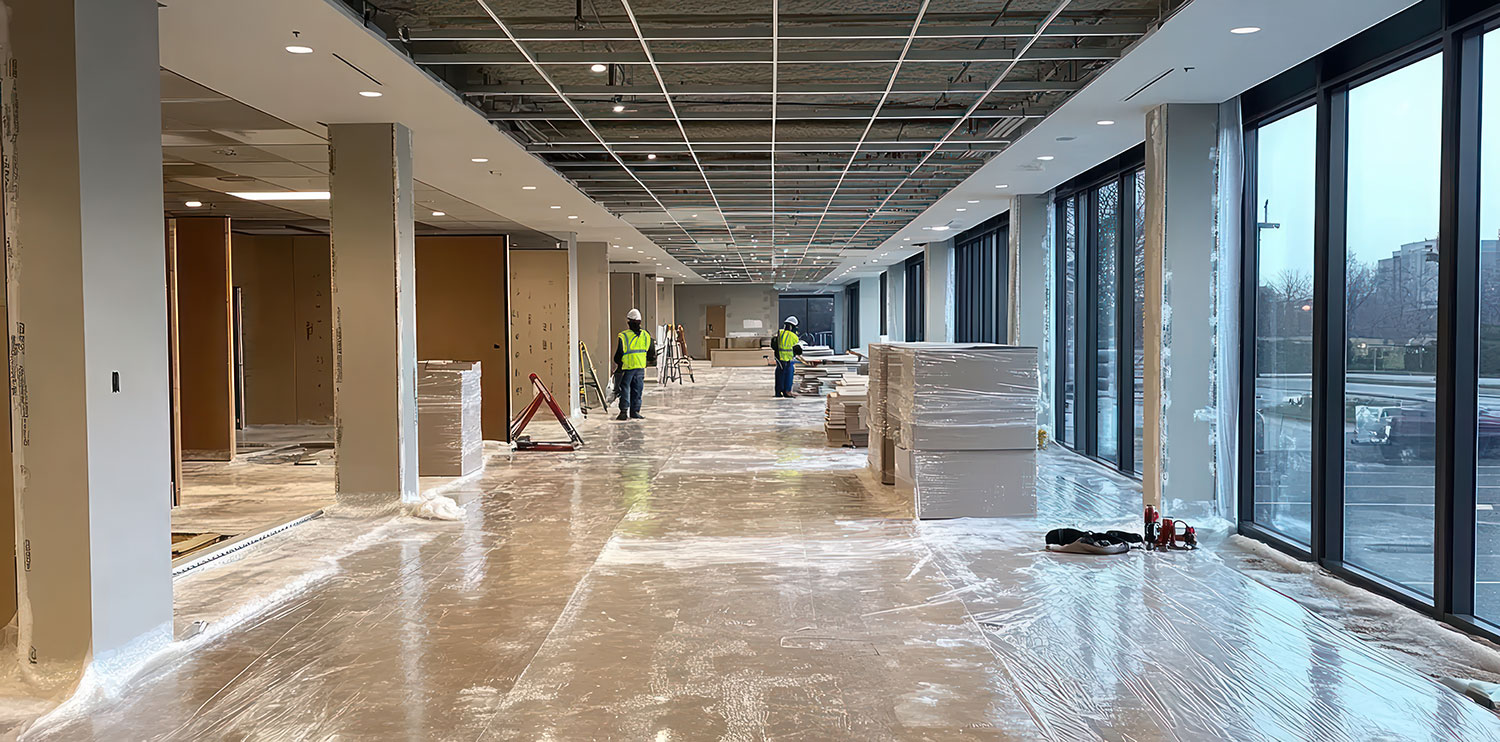
Many commercial refurbishment projects take place within occupied buildings or live operational environments. Careful planning is required to minimise disruption and maintain day-to-day business activities wherever possible.
Measures may include phased construction programmes, out-of-hours working, temporary partitions and carefully managed access arrangements. This is particularly important for businesses operating within manufacturing, education, healthcare and commercial sectors where downtime can have significant operational impacts.
At TJC Construction, we regularly deliver projects within live commercial and industrial environments, ensuring work is completed safely while maintaining business continuity. You can view examples of our work within our construction project portfolio.
Review Compliance and Building Requirements
Commercial buildings must meet a range of regulatory requirements covering health and safety, fire protection, accessibility and building performance. A refurbishment project provides an ideal opportunity to review and improve these important areas.
This may include upgrading fire safety systems, improving accessibility, enhancing lighting and emergency lighting, and ensuring the building meets current regulations and industry standards.
Addressing compliance requirements early in the planning process can help avoid delays, reduce risk and prevent costly remedial works later.
Plan Mechanical and Electrical Upgrades
Many refurbishment projects involve upgrading ageing building services. Modern mechanical and electrical systems can significantly improve comfort, efficiency and operational performance.
Common upgrades include LED lighting installations, power distribution improvements, air conditioning systems, ventilation upgrades, data infrastructure and Building Management Systems (BMS). These enhancements not only improve building performance but can also help reduce long-term operating costs.
Integrating M&E requirements into the refurbishment programme from the beginning helps ensure all elements work together efficiently and reduces the likelihood of costly alterations later.
Choose the Right Construction Partner
Selecting an experienced construction contractor is essential to the success of any refurbishment project. Look for a company with experience delivering projects within live environments, a strong health and safety record, and the ability to manage every stage of the process.
A fully managed construction service can simplify communication, improve programme control and ensure quality standards are maintained throughout the project.
Working with a contractor that offers design coordination, project management and specialist construction expertise can help ensure your refurbishment is delivered on time and within budget.
Plan for Future Growth
A successful refurbishment should not only meet your current needs but also support future expansion. Whether you anticipate increased staffing levels, additional production capacity or changing operational requirements, planning ahead can prevent the need for further disruptive works in the near future.
Businesses considering wider expansion may also benefit from exploring opportunities for new build developments alongside refurbishment works to create facilities that support long-term growth.
Delivering Successful Commercial Refurbishments
A successful commercial refurbishment starts with careful planning, realistic budgeting and expert project management. By clearly defining objectives, considering compliance requirements and working with an experienced construction partner, businesses can create modern, efficient spaces that support long-term growth.
Whether you are planning office improvements, industrial refurbishments or wider commercial construction projects, investing time in the planning stage will help ensure your project is delivered safely, efficiently and to the highest standard.